
Headless WordPress has been around for a while, but more businesses are moving toward it every year. The appeal is real: faster page loads, more flexible design, and the ability to push content to multiple platforms at once. But getting it right takes more than just hiring a WordPress shop and hoping for the best.
A headless setup separates your WordPress backend from the frontend your visitors actually see. That means more technical complexity on every level, from hosting and APIs to SEO and content modeling. Pick the wrong WordPress development agency, and you could end up with a site that’s slow, hard to maintain, or invisible in search results. If you’re based in the US and looking for a team that handles the full stack, DevSpire is worth a look before you start comparing options.
This guide walks through what headless actually means, when it makes sense for your business, and what to look for once you’ve decided to move forward.
What Is a Headless WordPress Development Agency?
A headless WordPress agency builds sites where WordPress handles content management, but the frontend users see is built separately using a modern JavaScript framework. Instead of WordPress controlling both sides, the frontend pulls content through an API, usually the WordPress REST API or GraphQL via WPGraphQL.
The agency you hire needs to be comfortable on both ends. WordPress expertise AND real frontend development experience. One without the other tends to cause problems that only show up after launch.
Traditional WordPress vs Headless WordPress
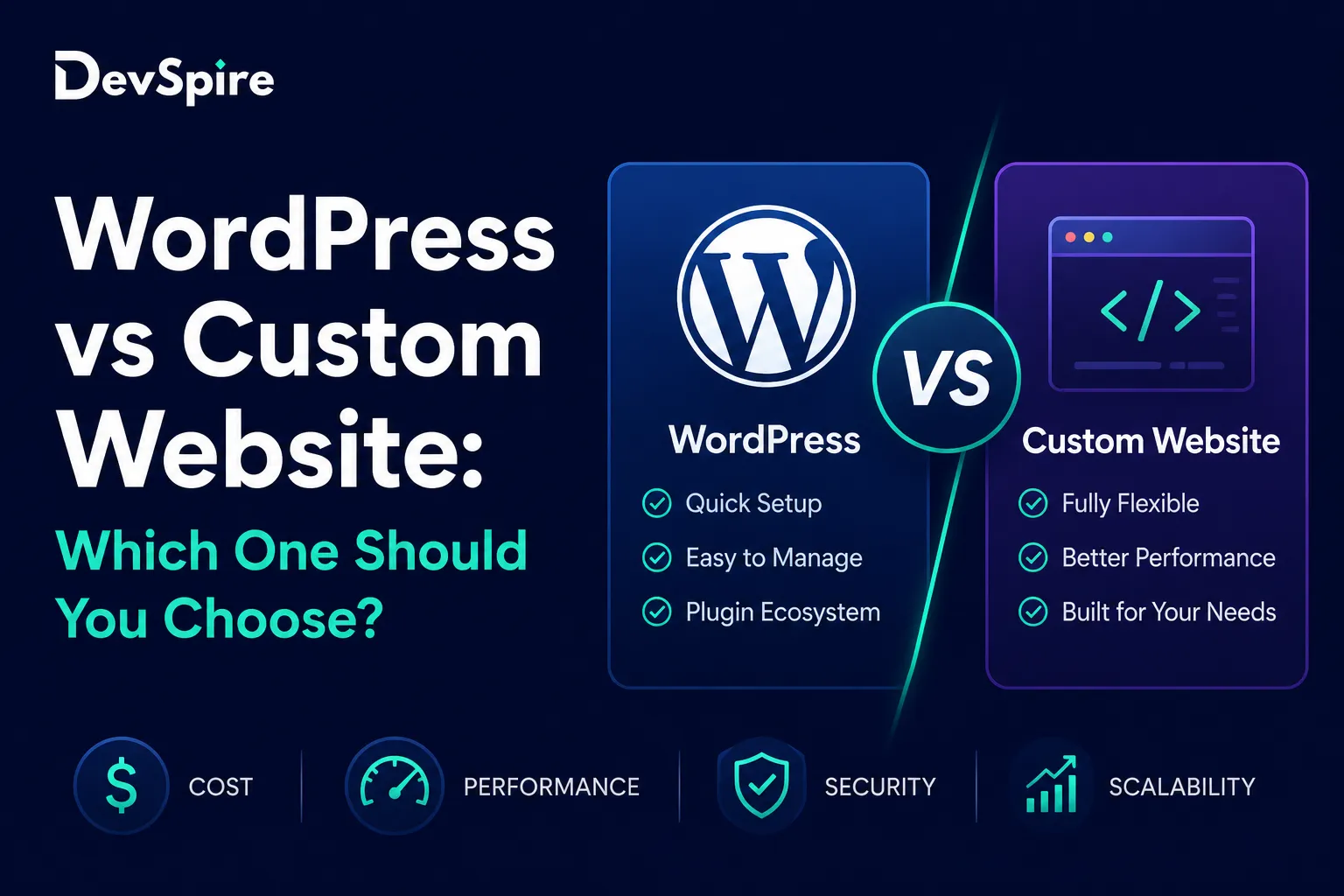
In a traditional WordPress setup, the theme controls what visitors see. Everything is connected in one system. In a headless setup, the CMS and the frontend are separate. Content lives in WordPress, but the display layer is built in something like Next.js or React.
The tradeoff is flexibility vs complexity. Headless gives you more control over performance and design, but it also requires more careful planning upfront. For a closer look at both approaches, this comparison of headless vs traditional WordPress is worth reading before you decide.
When Should You Choose Headless WordPress?
Headless makes sense for businesses with real technical demands: high-traffic sites that need fast load times, SaaS and technology companies with complex UI requirements, enterprise websites handling large volumes of content, ecommerce stores where performance directly affects revenue, and brands publishing content across multiple platforms at once.
It’s probably not the right call for a small blog, a simple portfolio, or a business with a limited technical budget and no plans for ongoing developer support. The setup costs more and takes longer. That’s a reasonable tradeoff when the complexity is justified. It’s a problem when it isn’t.
What to Look for Once You’ve Decided to Go Headless
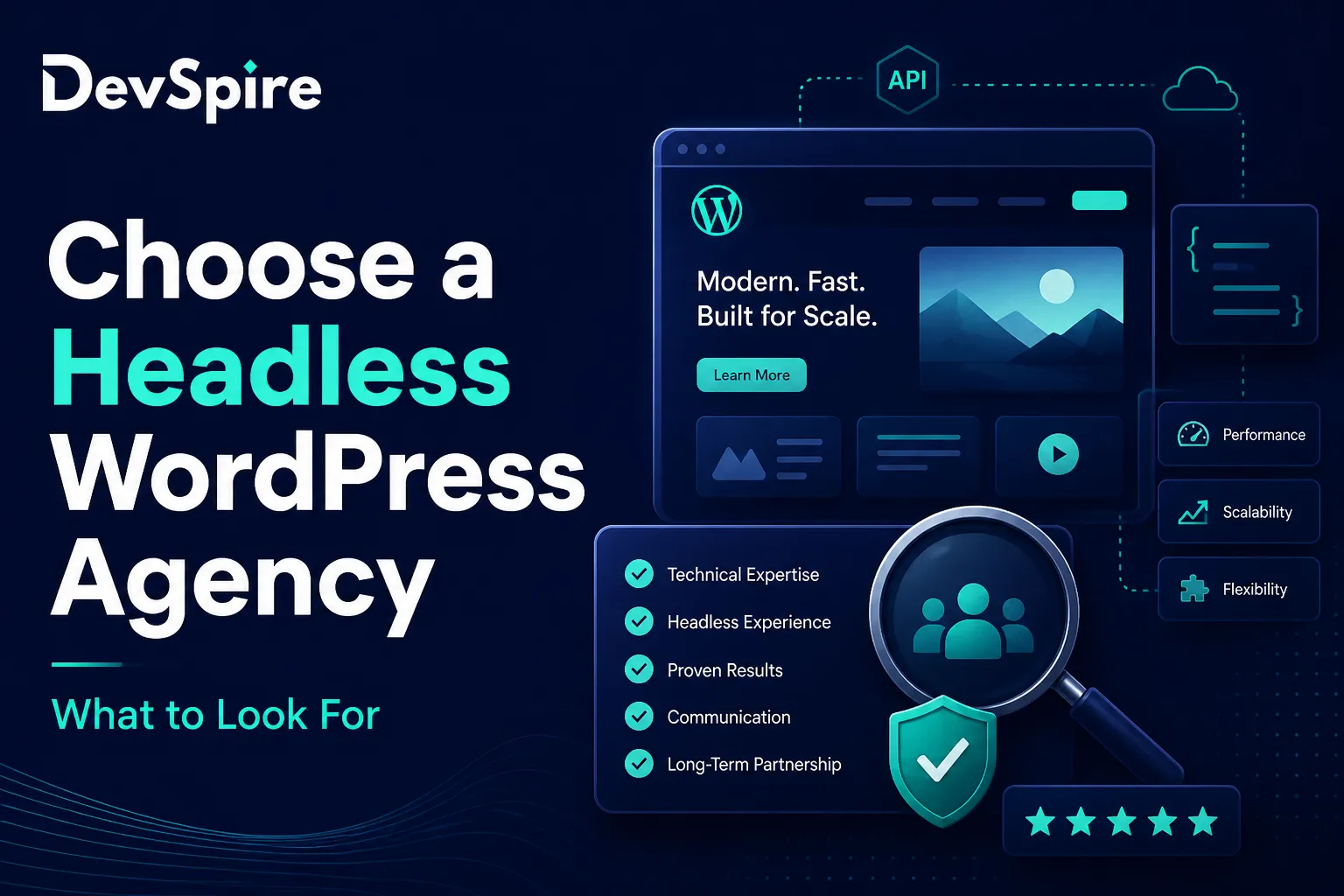
Once headless is the right call for your business, the agency you pick needs to be strong in a few specific areas: proven headless project experience (not just general WordPress work), real frontend development skills in Next.js, React, or a similar framework, solid knowledge of the WordPress REST API and WPGraphQL, and a documented SEO process built specifically for decoupled setups, since headless doesn’t handle SEO automatically the way a plugin like Yoast does on a traditional site.
It’s also worth checking that the agency understands how content gets found through AI Overviews, Perplexity, and ChatGPT-style search, not just traditional rankings. That means clean heading structure, FAQ sections, and proper schema, not an afterthought.
Vetting all of this properly takes more than a gut check. We’ve laid out the exact questions to ask, the red flags to walk away from, and what this typically costs in our guide on choosing a headless WordPress agency, worth reading once you’re ready to start comparing agencies.
Choose an Agency That Offers Long-Term Support
Headless WordPress is not a launch-and-forget project. WordPress updates, plugin changes, frontend framework releases, API shifts, and hosting changes all need attention over time.
An agency willing to stay involved can handle security patches, performance audits, SEO check-ins, frontend updates, bug fixes, and new feature development. That kind of ongoing relationship is worth factoring into your decision, not just the upfront cost.